
GEORGE L THOMAS


Home | Pages | Archives


Scenes and Sequels???

27 Jul 2017 8:00 am

Scenes and Sequels???

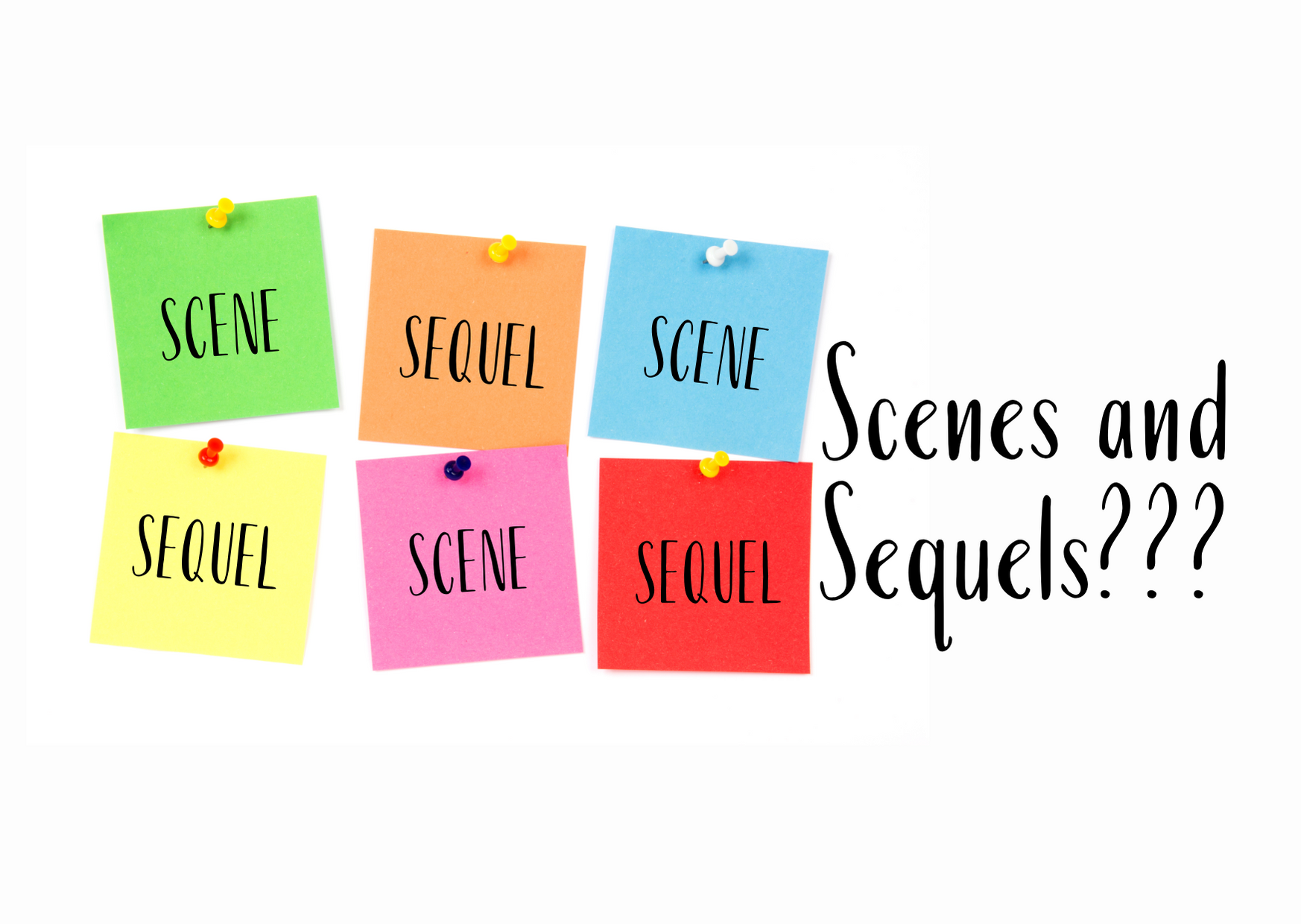
I had always thought that a scene was a scene; that you write what happens, who is involved and how they feel. Pretty standard stuff really. But then I read about sequels, and my mind went boom!

For years I had always been one of those people who just liked to write until they had finished, a pantser I suppose and I never really gave much thought to scenes. I just wrote the story.

But I decided that the quality of my writing could be improved upon and took a few courses and researched like a madman to learn everything I possibly could. I learned about structure, plotting and outlining and improved my grammar. I learned about scenes, and how something must happen in each scene that moves the story along. Great. I hadn’t been doing that before, and so I began to put that into practice.
Then I came upon Sequels, and I realised that writing a scene can be a lot more technical than I had ever realised.

You see, scenes involve goals, conflicts, and disasters. That probably doesn’t surprise you. However, I learned that sequels follow scenes and they are made up of reactions, dilemmas, and decisions. As I understand it, you write a scene and follow it up with a sequel. Then you write another scene and follow it with a sequel and so on until your story or book is finished.

It sounds very complicated, and it is (in my opinion), but it’s also very enlightening. I’ll outline the basics, but you’ll get a much greater understanding of what I’m talking about here – the place I first encountered this somewhat involved way of scene writing.

So, here goes:

Scenes

Goal:
The goal is what your POV character wants at the beginning of the scene, and it must be clear what the goal is. They have this goal so that they’re not just sitting around letting life happen. Something has to occur in the scene.

Conflict:
This is the thing or perhaps series of things that prevent the POV character from getting what they want (the goal). Without the conflict, the reader would become bored since there wouldn’t be a whole lot going on.

Disaster:
The disaster is the point when your character fails to reach their goal. This is what keeps the reader reading.

Sequels

Reaction:
This is the emotional aftermath of the disaster, how your POV character is dealing with recent events. Here you should help your readers feel what the POV character is feeling.
Dilemma:
There are no good options following the disaster which creates a dilemma. Your POV character doesn’t know what to do.

Decision:
Your POV Character must come up with some solutions to their problem and decide on a course of action. This allows them to become proactive again – taking action instead of waiting for things to happen.

There’s a little more to it than that, but this covers the gist of why Scenes and Sequels are necessary.

Thanks, as always for reading and you should definitely check out the link further up (Linked here too) because it gives a more in-depth look at the mechanics of scene construction.

Until next time,

George

© 2017 GLT

Posted by georgelthomas

Categories: scenes

Tags: , , , , , , , ,

17 Responses to “Scenes and Sequels???”

  1. This was a very interesting and helpful read, thanks for sharing!

    Liked by 1 person

    By Ava Goodman on 27 Jul 2017 at 8:32 am

  2. I’d never thought about approaching a story this way before* (pressed enter before I’d finished the comment, oops)

    Liked by 1 person

    By Ava Goodman on 27 Jul 2017 at 8:32 am

    1. You’re very welcome (I saw the other comment Haha! ). No, I hadn’t thought about it until I read about it. It’s definitely opened my eyes. 😀

      Liked by 1 person

      By georgelthomas on 27 Jul 2017 at 10:39 am

  3. […] is the way Forward In keeping with the above, you should always aim to have your scenes follow a pattern of cause and effect. One event should impact the next and so on until the […]

    Like

    By Writing Tips 10 – GEORGE L THOMAS on 10 Apr 2019 at 9:32 pm

  4. […]    Since there are usually about sixty scenes in a novel (there can be more, or even less) it is a good idea to use 15 each for the first and […]

    Like

    By Creating an Outline with Index Cards – GEORGE L THOMAS on 11 Apr 2019 at 3:30 pm

  5. […] you hit that proverbial wall, (or a real one depending on your temperament) and experiment with the scenes and the characters in your story until you feel the cogs turning […]

    Like

    By Writer’s Block – GEORGE L THOMAS on 11 Apr 2019 at 9:28 pm

  6. […] I always want people to see in their heads what I see in mine when I’m picturing the scene. However, there should be no superfluous words or phrases – every word must count because you […]

    Like

    By Writing Flash Fiction – GEORGE L THOMAS on 11 Apr 2019 at 9:56 pm

  7. […]    Writing scenes out of order is helping me to remain on track. By starting with those scenes that I can not wait to […]

    Like

    By Writing out of Order – GEORGE L THOMAS on 12 Apr 2019 at 1:39 pm

  8. […]    Some people have scenes written for a novel, or for short stories that they have had to discard because the story was too […]

    Like

    By Recycling your Work – GEORGE L THOMAS on 12 Apr 2019 at 3:31 pm

  9. […] thinking up story ideas, plots and you could, if you have the time or patience, even mind-map each scene or chapter if you’re writing […]

    Like

    By Mind Mapping – GEORGE L THOMAS on 12 Apr 2019 at 7:23 pm

  10. […] about setting, and, more importantly, ways in which you can help the reader to connect with the scene you are […]

    Like

    By 5 Tips to Help Set the Scene – GEORGE L THOMAS on 3 Mar 2020 at 9:13 am

  11. […] up the next book and continue the story. If you are planning a series of books – or even a sequel to a short story – you may want to create an outline or even a brief timeline of events. […]

    Like

    By 5 More Ways to End a Story – GEORGE L THOMAS on 27 Jul 2021 at 9:03 am

  12. […] Hi everyone, I hope you’re all well and finding ways to feel creatively fulfilled. Today I’m talking about scenes. […]

    Like

    By 5 Tips for Writing a Great Scene – GEORGE L THOMAS on 27 Sep 2022 at 9:00 am

  13. […] We say we want to live in peaceWe’d like to make all equalBut it’s hard when hatred runs amokAnd every war has a sequel […]

    Like

    By Learn to Live Another Day – GEORGE L THOMAS on 17 Jan 2023 at 9:06 am

  14. […] up the next book and continue the story. If you are planning a series of books – or even a sequel to a short story – you may want to create an outline or even a brief timeline of events. […]

    Like

    By 5 More Ways to End a Story – GEORGE L THOMAS on 23 Mar 2025 at 7:18 pm

  15. […] Hi everyone! I hope you’re all well. Today, I am exploring another way to outline a story or a novel: The Snowflake Method. […]

    Like

    By The Snowflake Method – GEORGE L THOMAS on 25 Mar 2025 at 5:08 am

  16. […] there are usually about sixty scenes in a novel (there can be more, or even less) it is a good idea to use 15 each for the first and […]

    Like

    By Creating an Outline with Index Cards – GEORGE L THOMAS on 23 May 2025 at 9:49 pm

Leave a Reply


Mobile Site | Full Site


Get a free blog at WordPress.com Theme: WordPress Mobile Edition by Alex King.